

Family vacations create memories that last a lifetime — the first time your kids see the ocean, the campfire stories under the stars or laughter during a road trip sing-along. But when you’re budgeting for a family, that dream getaway often feels out of reach. Rising costs for flights, hotels and daily expenses make even a simple trip feel overwhelming.
With smart planning and the right strategies, you can create a memorable vacation with priceless moments while staying on budget. The secret is approaching your trip with a clear plan, knowing where to save and understanding how to make every dollar count.
Whether you’re dreaming of a beach escape, a national park adventure or a city exploration, creating a budget-friendly travel itinerary starts with a few foundational steps. From choosing the right destination to booking at the optimal time, small decisions add up to significant savings. With tips from AAA Central Penn, you’ll discover how to plan a budget-friendly family vacation that’s rich in experiences.
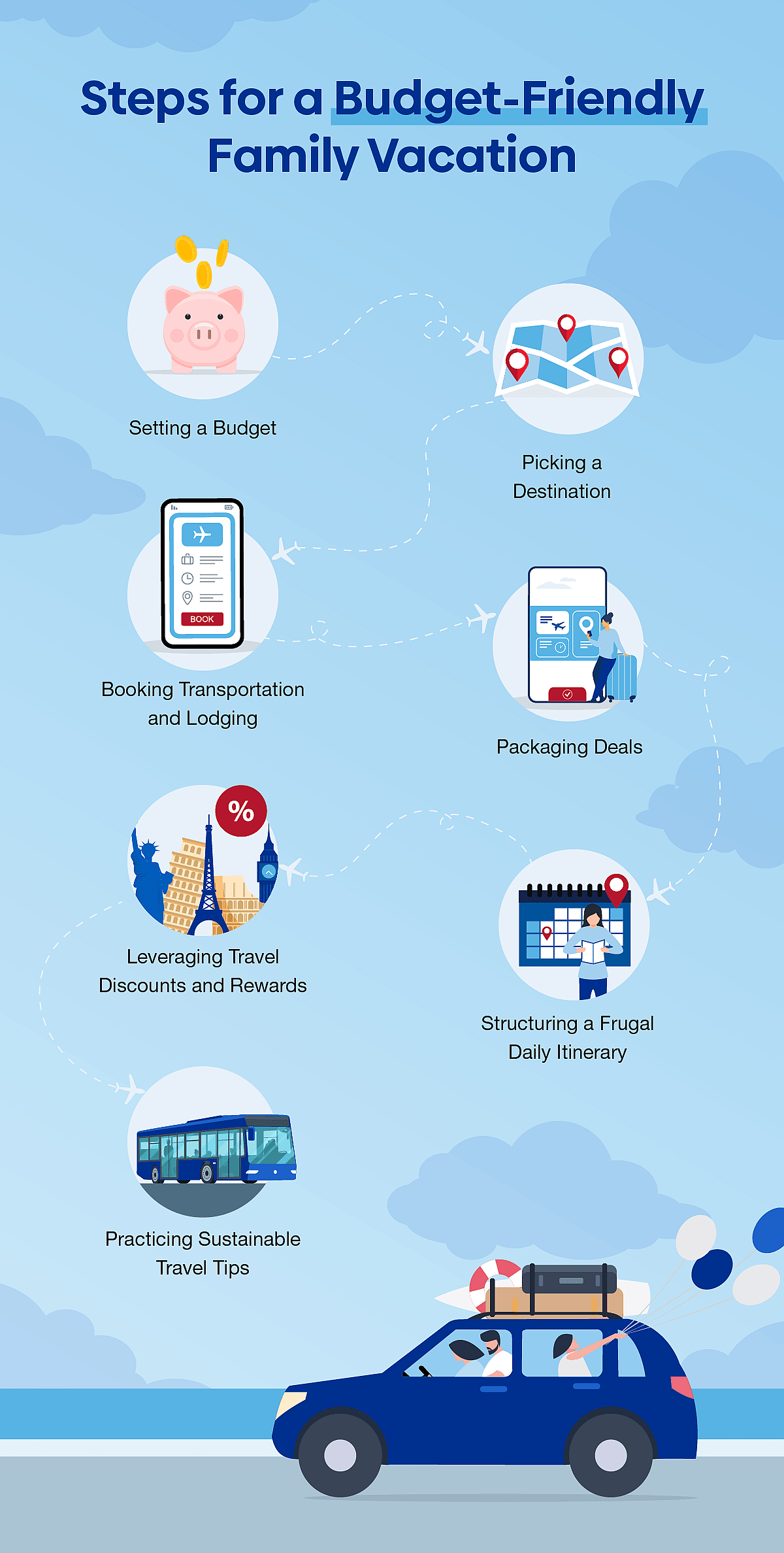
Planning a budget-friendly family vacation is achievable with the right approach. Focus on these essential strategies:
A travel budget isn’t about limiting your fun — it’s about empowering your choices. Knowing exactly how much you’ll spend gives you the freedom to make intentional decisions that align with your family’s priorities. Do you value a nicer hotel, or would you rather put those funds toward memorable experiences? A budget helps you answer these questions before you’re standing at a ticket counter making rushed decisions.
In today’s economic climate, budgeting has become even more essential. The average vacation cost for two people reaches $4,536 for one week, and that figure climbs significantly when you add children to the mix. For a family of four, costs can easily double or triple depending on destination choices and travel style.
Budgeting transforms anxiety into action. Instead of wondering if you’ll afford a trip, you create a roadmap that shows exactly how to make it happen. You identify where to splurge and where to save, ensuring that every dollar contributes to experiences your family will treasure. A budget also prevents the post-vacation financial hangover that comes from overspending on credit cards or depleting emergency savings.
A well-crafted budget enhances your vacation by giving you peace of mind from the moment you start planning until you return home.
Creating a budget-friendly travel itinerary requires breaking down the planning process into manageable steps. Each decision you make — from where you go to how you get there — impacts your costs. By approaching your trip methodically, you’ll uncover savings opportunities at every stage while building an itinerary that delivers maximum value for your investment.
Before you book anything, establish your financial foundation. Start by determining your total travel budget. Review your monthly income and expenses to determine how much you can realistically set aside for a vacation. This might involve saving over several months or allocating funds from a specific source, such as a tax refund or bonus. Be honest about what you’ll afford — underestimating costs leads to stress and overspending once you’re on the road.
Once you have your total, decide which budget structure works best for your family:
Whatever method you choose, build in a cushion for unexpected expenses — souvenirs, parking fees and unplanned snacks have a way of appearing when you least expect them.
With your budget framework in place, it’s now time to choose your destination. This choice dramatically affects your bottom line. Transportation costs typically account for 30% to 40% of your total vacation expenses, according to Endless Travel Plans, making the difference between a road trip and a flight significant. For example, a drive to a national park three hours away may cost $50, while flights for a family of four to a beach destination could exceed $1,200.
Explore destinations within driving distance first. State parks, nearby cities with family-friendly attractions and regional destinations provide rich experiences at a fraction of the cost of distant travel. If you’re set on a location that requires flying, factor in the major expense from the start and adjust other categories accordingly. Sometimes, the most memorable vacations happen closer to home than you’d imagine.
Timing and flexibility are your greatest allies when booking the major components of your trip. Per Endless Travel plans, shoulder-season travel saves families 20% to 40% compared to peak travel times. Shoulder season refers to the periods just before and after high season — late spring or early fall for many beach destinations, or midweek stays instead of weekend getaways. You get smaller crowds, more attentive service and lower prices during these windows.
Comparing accommodation options requires thinking beyond the nightly rate. A hotel room with a kitchenette might cost more per night than a standard room, but it could save you $100 per day or more on restaurant meals. Vacation rentals provide full kitchens, multiple bedrooms and laundry facilities, offering both comfort and cost savings for families planning longer stays. Calculate the total value, not just the up-front cost.
Bundling your flight and hotel, or combining accommodations with attraction tickets, often yields better pricing than booking each component separately. These packages also simplify planning, giving you one less decision to manage. Compare prices across multiple booking platforms to ensure you’re getting the best deal — sometimes, booking directly with hotels offers perks like free breakfast or room upgrades that third-party sites don’t advertise.
Find affordable travel options by booking flights during off-peak hours if your schedule allows. Early-morning or late-evening departures typically cost less than midday options. For car rentals, compare prices from airport locations versus off-site facilities.
Daily vacation costs derail even the most carefully planned budget if you don’t manage them intentionally. The average daily food cost for a family of four reaches $200, underscoring that three restaurant meals per day can consume a significant part of your budget. Over a weeklong trip, that’s $1,400 just for meals — more than the cost of lodging in many destinations.
Combat this by planning a mix of dining experiences. Pack snacks for the car or day outings — granola bars, fruit and sandwiches prevent expensive impulse purchases at tourist traps. Enjoy the complimentary breakfast if available or prepare simple meals in your room. Reserve restaurant visits for dinner, making them special events rather than default choices. Pick one or two “splurge meals” to try local specialties or dine at a must-visit restaurant, then balance them with budget-friendly options throughout the rest of your trip.
Activities represent another area where research pays dividends. Every destination offers free or low-cost options if you know where to look:
Paying for activities requires prioritizing experiences that align with your family’s interests. One memorable day at a theme park, where your children have been dreaming about a ride, might be worth more than three mediocre paid attractions. Quality over quantity applies to family travel on a budget just as much as it does to any other aspect of life. Look for combination tickets or city passes that bundle attractions at a reduced rate if you plan to visit several paid sites.
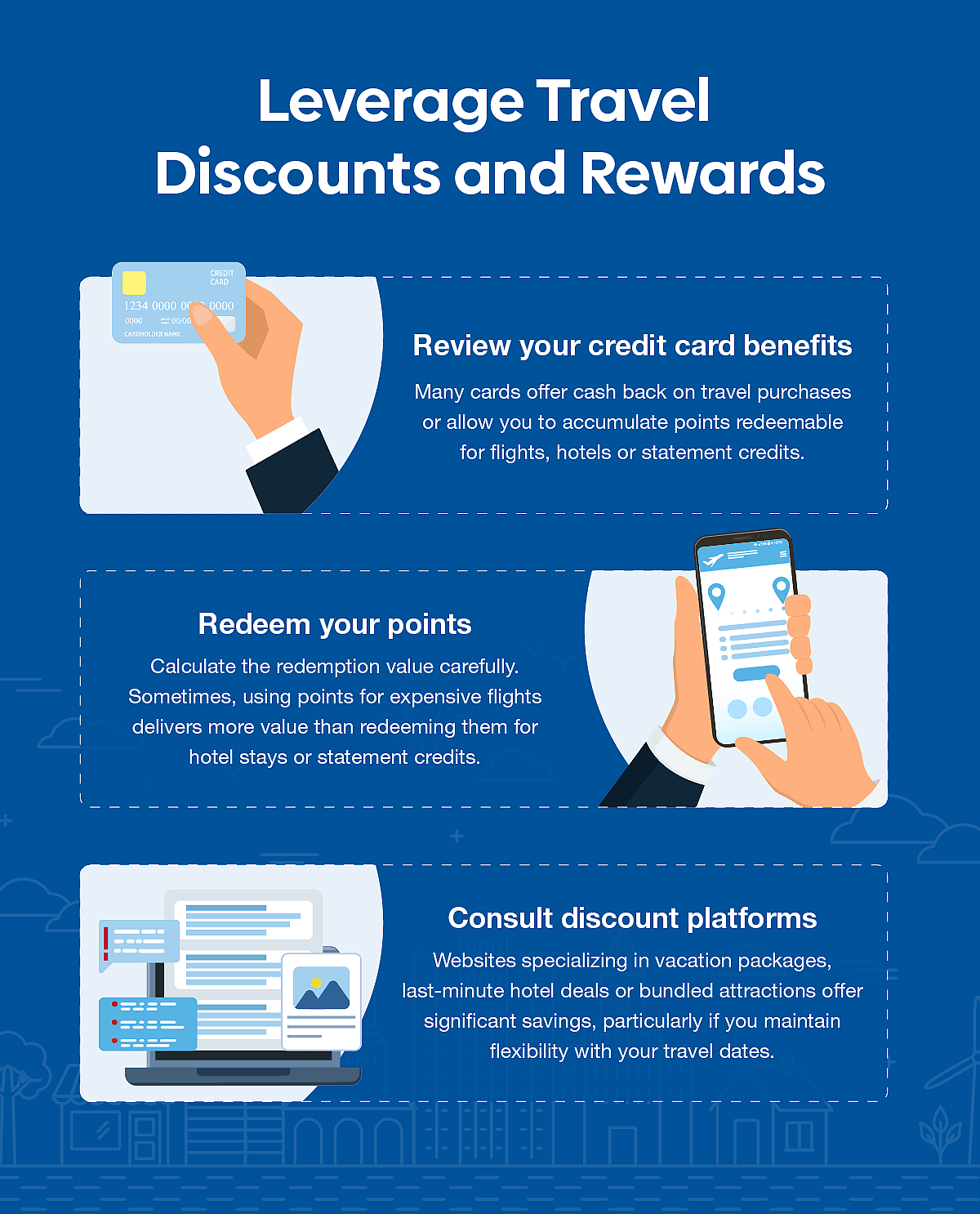
Smart travelers know that many discount opportunities exist for those willing to seek them out, using points and rewards to cover travel expenses. The key is stacking these savings strategically to maximize your budget’s impact:
Don’t overlook the power of asking directly. Booking accommodations by phone lets you ask about unpublished rates or special offers. Hotels would rather fill rooms at a modest discount than leave them empty, so don’t hesitate to negotiate, especially if you’re booking multiple rooms or an extended stay.
Eco-conscious decisions throughout your trip add up to significant savings, proving that budget-friendly travel and responsible tourism go hand in hand. Here are some points to consider:
These sustainable practices teach children valuable lessons about environmental stewardship while demonstrating that responsible choices don’t require sacrifice. Your family enjoys the same experiences at lower costs, and you return home knowing your vacation left a lighter footprint on the destinations you visited.
The best family vacations are defined by the moments you share. A well-planned, budget-friendly trip delivers just as much joy and connection as an expensive resort stay. The key is preparation, smart choices and knowing where to find value. For personalized help and expert advice on making the most of your travel budget, consider speaking with a travel professional who can guide you to the best deals and destinations for your family’s unique needs. With the right planning and support, your dream vacation is closer than you think.
This story was produced by AAA Central Penn and reviewed and distributed by Stacker.


Support Bristow Beat - Donate Today!